Prediction of Cotton Field on Integrated Environmental Data
ICAART, 2021
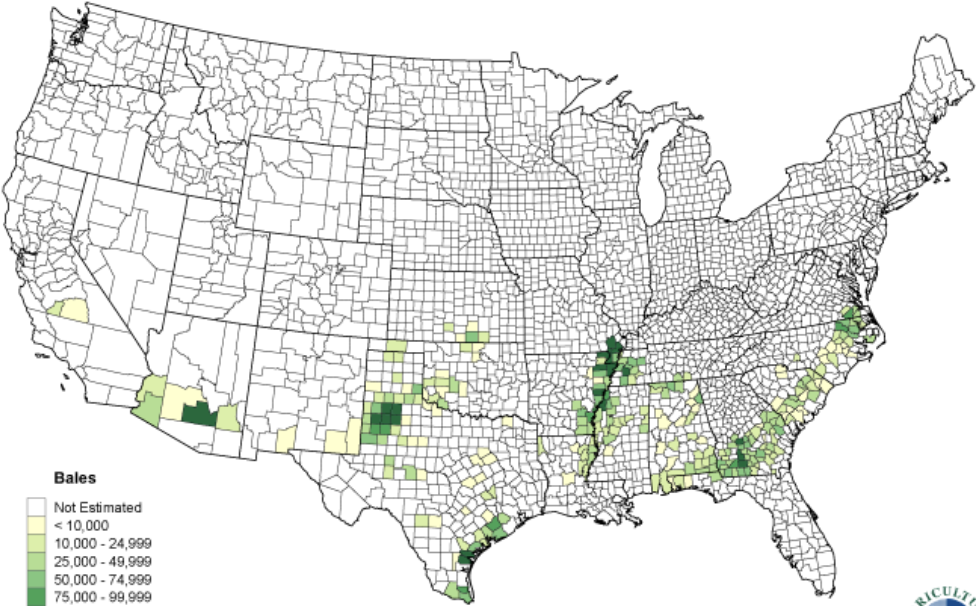
The agriculture and farming industry plays a vital role in the economy. However, the importance of agriculture cannot be fully quantified in terms of its economic profit.

ICAART, 2021
The agriculture and farming industry plays a vital role in the economy. However, the importance of agriculture cannot be fully quantified in terms of its economic profit.
, 2022
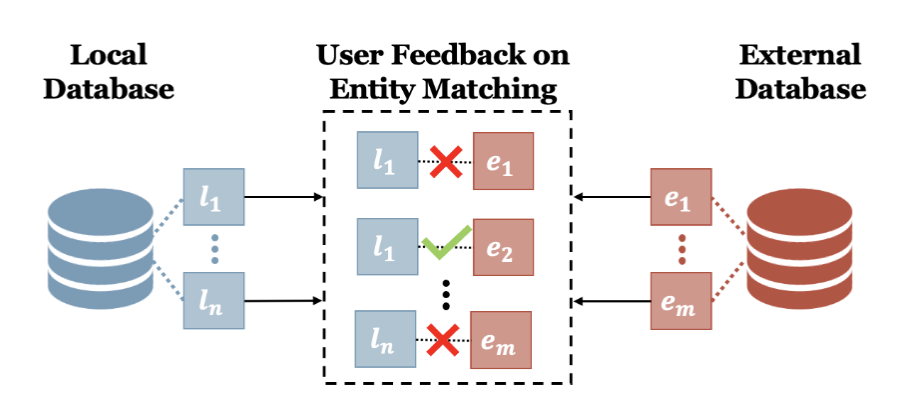
This project proposes a deep learning-based approach that simulates the user-feedback loop in entity matching.
Conference, 2022
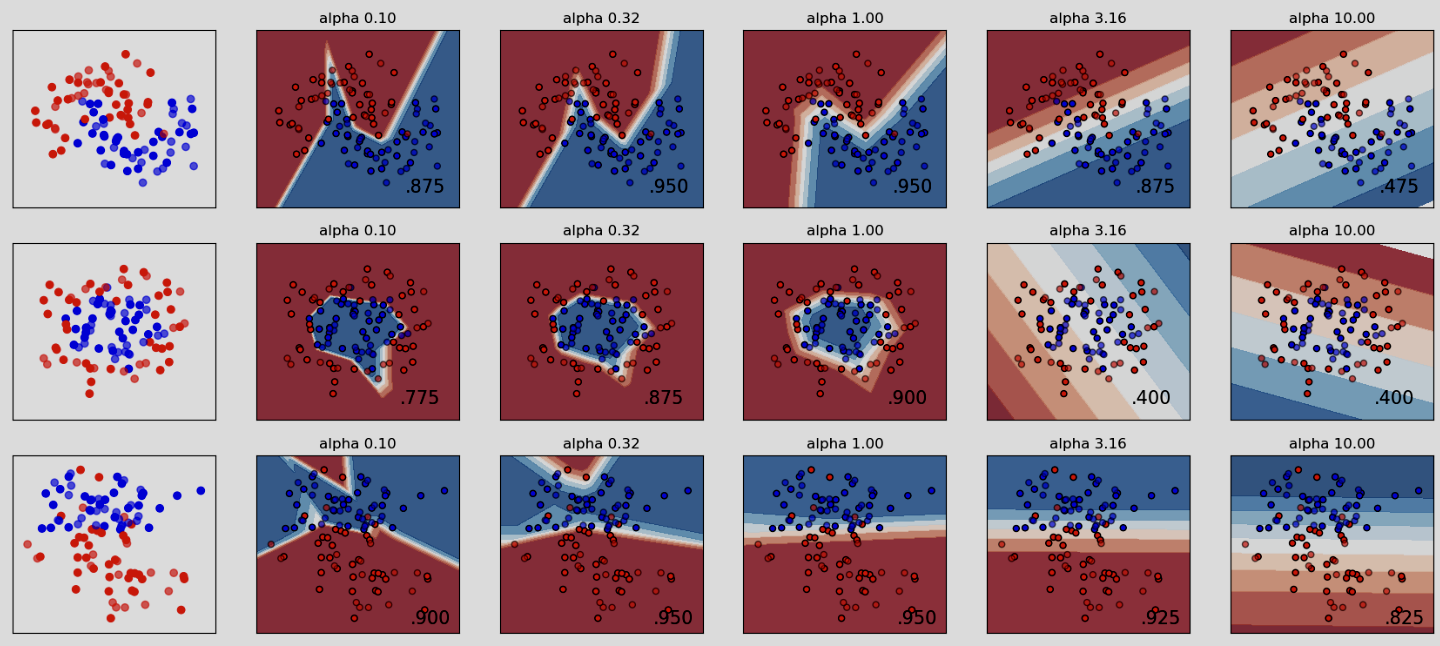
A known problem with training deep neural networks, mostly parameterized by connection weights at each layer, is that of finding an appropriate model complexity under the empirical risk minimization setting.
AAAI, 2024
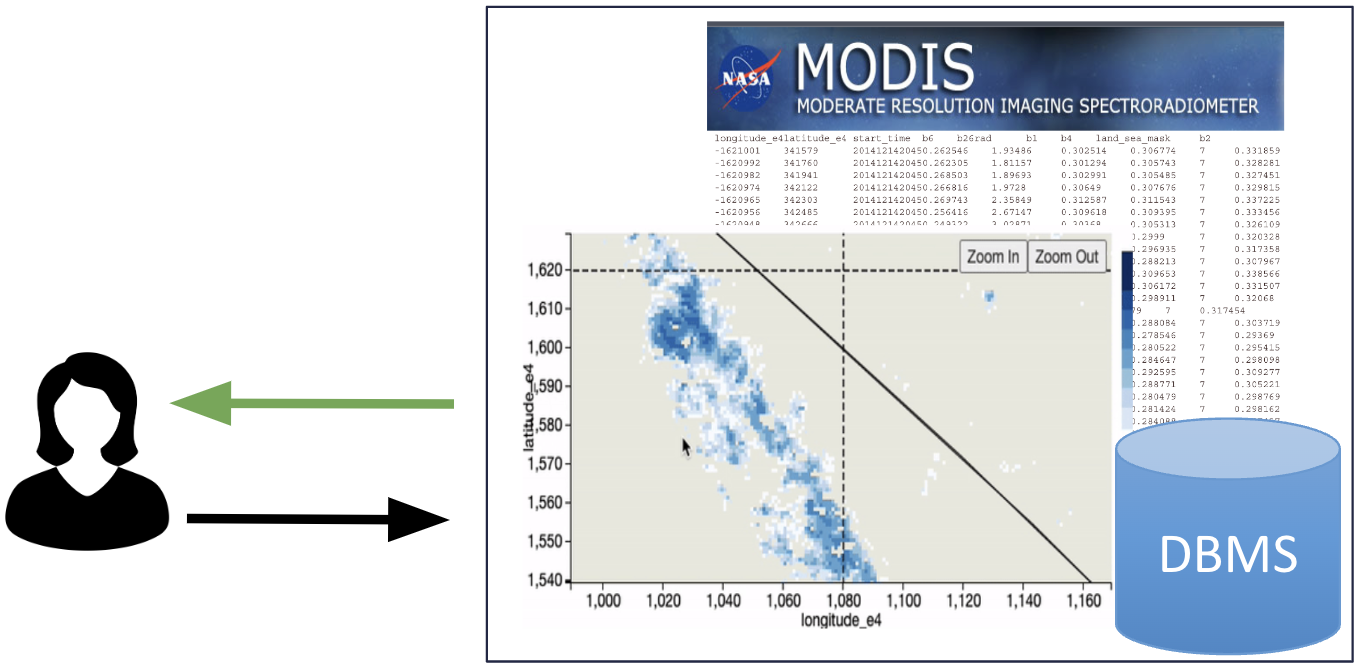
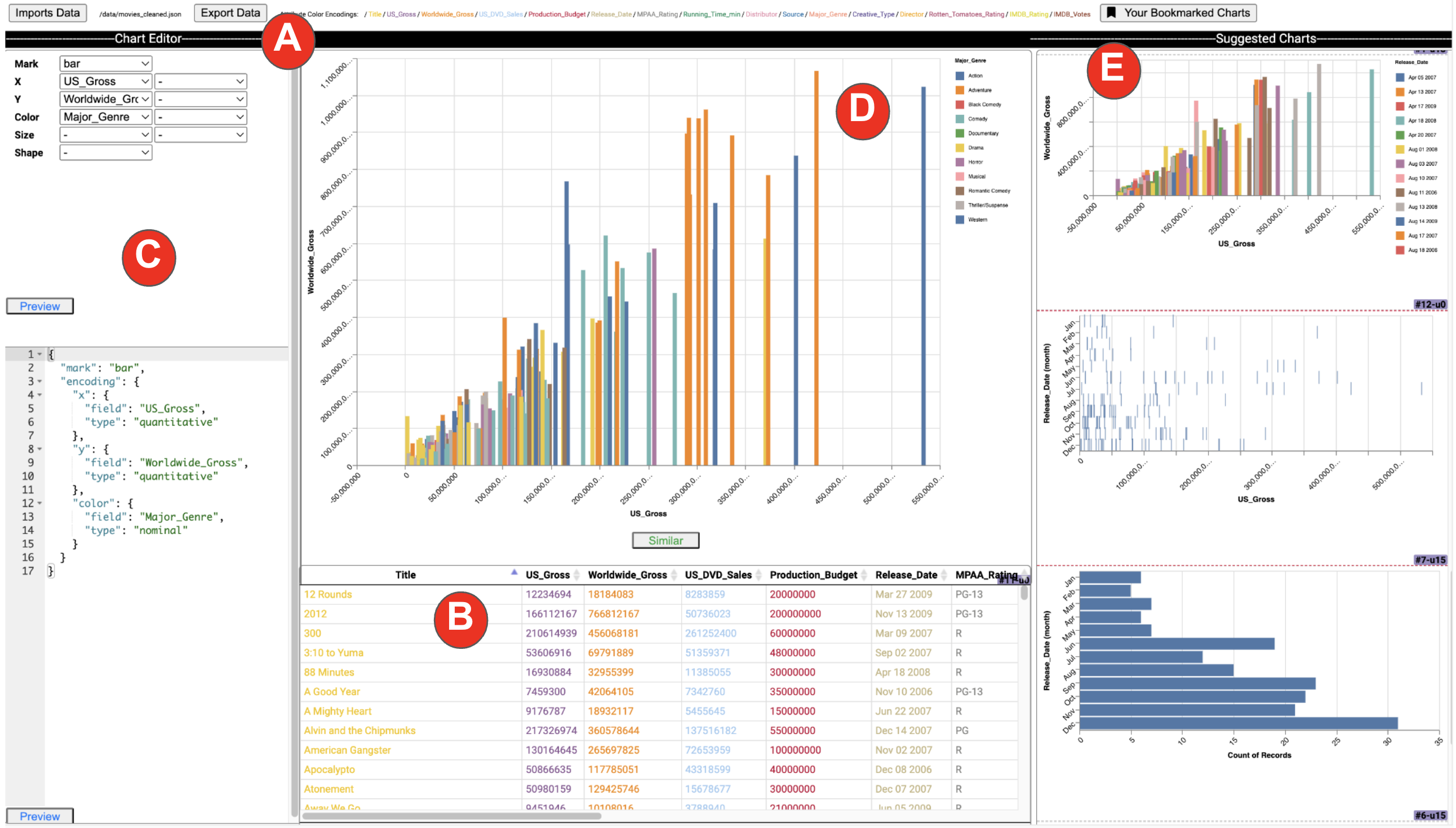
Exploratory visual analysis (EVA) is an essential stage of the data science pipeline, where users often lack clear analysis goals.
SIGMOD, 2024
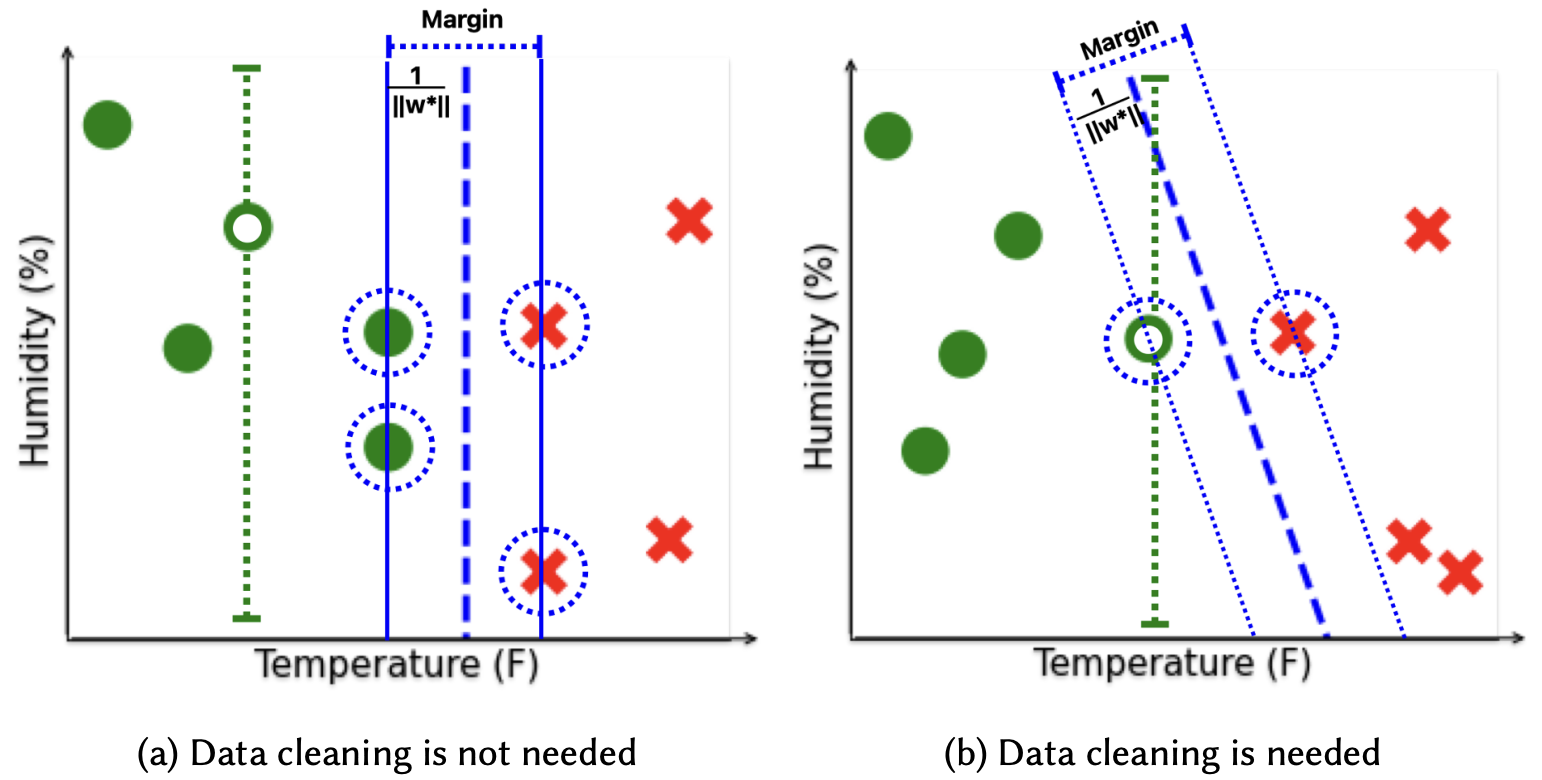
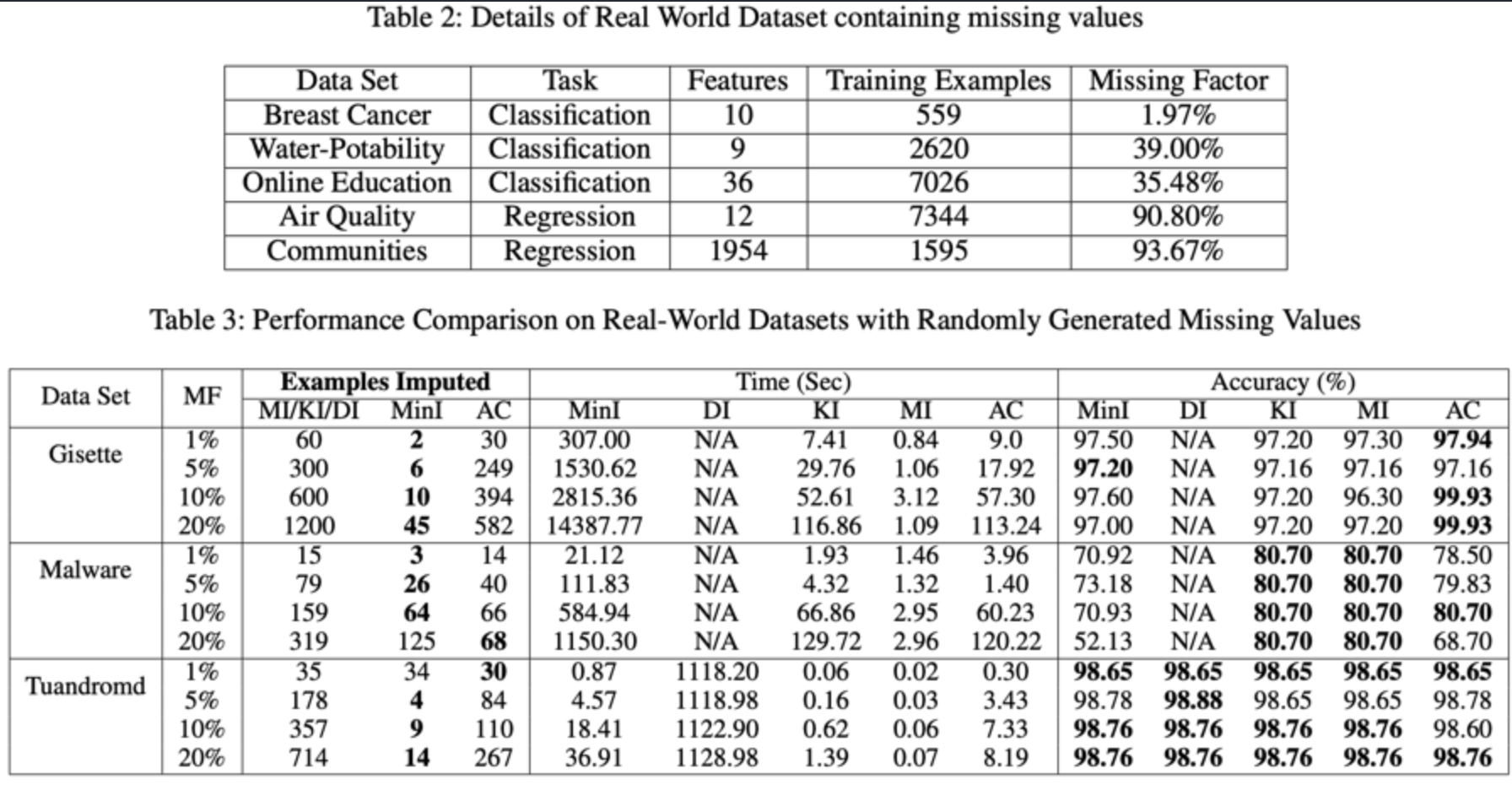
Real-world data is often incomplete and contains missing values. To train accurate models over real-world datasets, users need to spend a substantial amount of time and resources.
SIGMOD, 2024
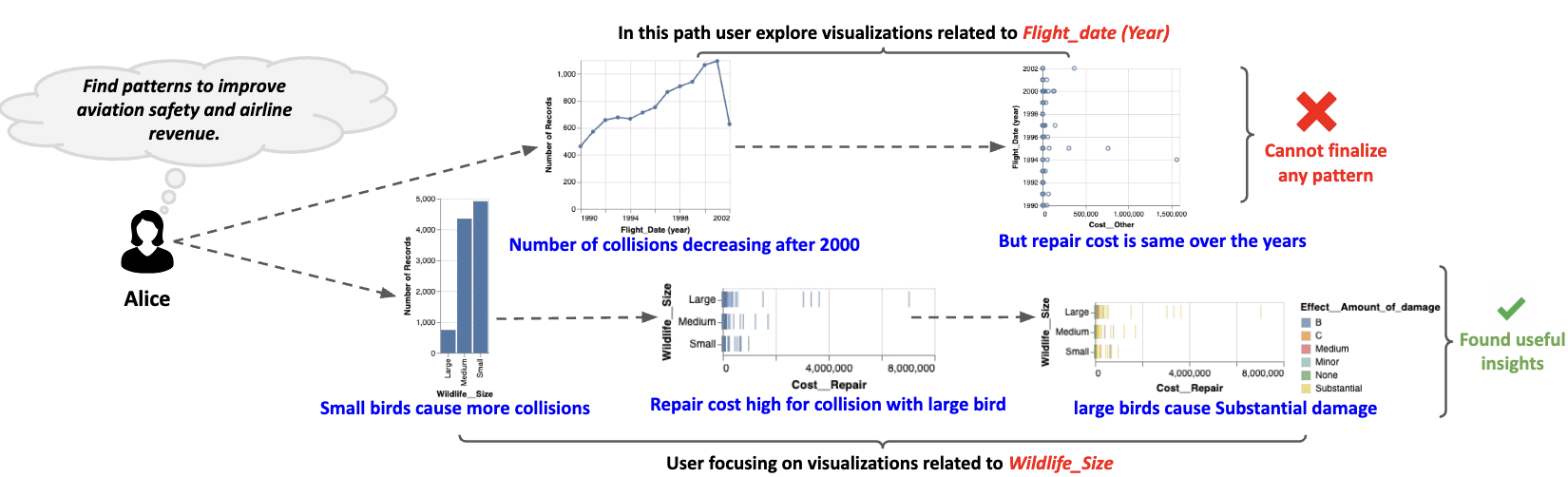
Visualization Recommendation Systems help users discover important insights during data exploration. These systems should understand users’ exploration.
ICDE Lightning Talk, 2024
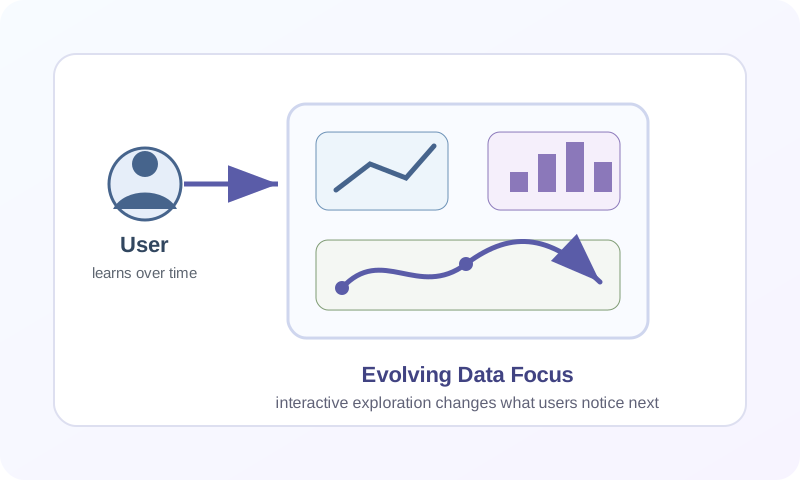
This paper studies how users learn while exploring data interactively and how data systems can better account for evolving user understanding during exploratory visual analysis.
IUI, 2025
This paper explores potential parallels between the evolution of users’ interactions with visualization tools during data exploration and assumptions made in popular online learning techniques. Through a series of empirical analyses, we seek to answer the question: What are the best learning methods for modeling shifts in users’ data focus during EVA?
arXiv cs.LG, 2025
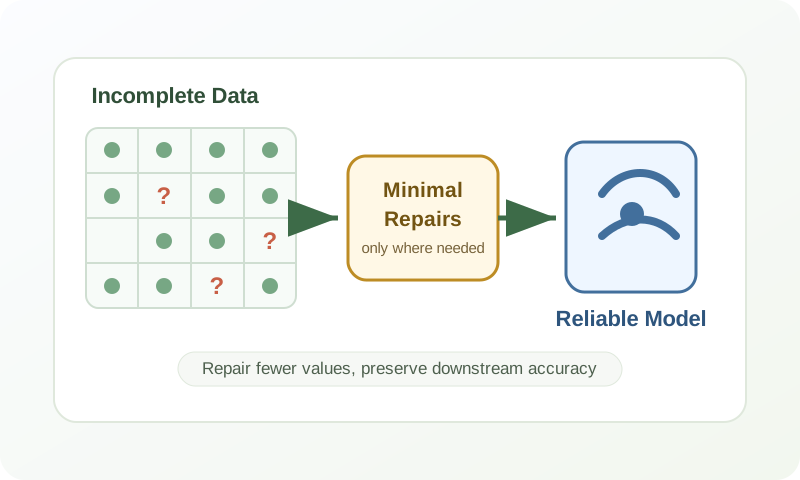
Missing data often exists in real-world datasets, requiring significant time and effort for imputation to learn accurate machine learning (ML) models. In this paper, we demonstrate that imputing all missing values is not always necessary to achieve an accurate ML model.
NeurIPS Reliable ML from Unreliable Data Workshop, 2025
This work studies how to repair incomplete training data only where it matters for downstream learning. Instead of imputing every missing value, it focuses data preparation effort on the minimal repairs needed to learn accurate models.
arXiv cs.DB, 2026
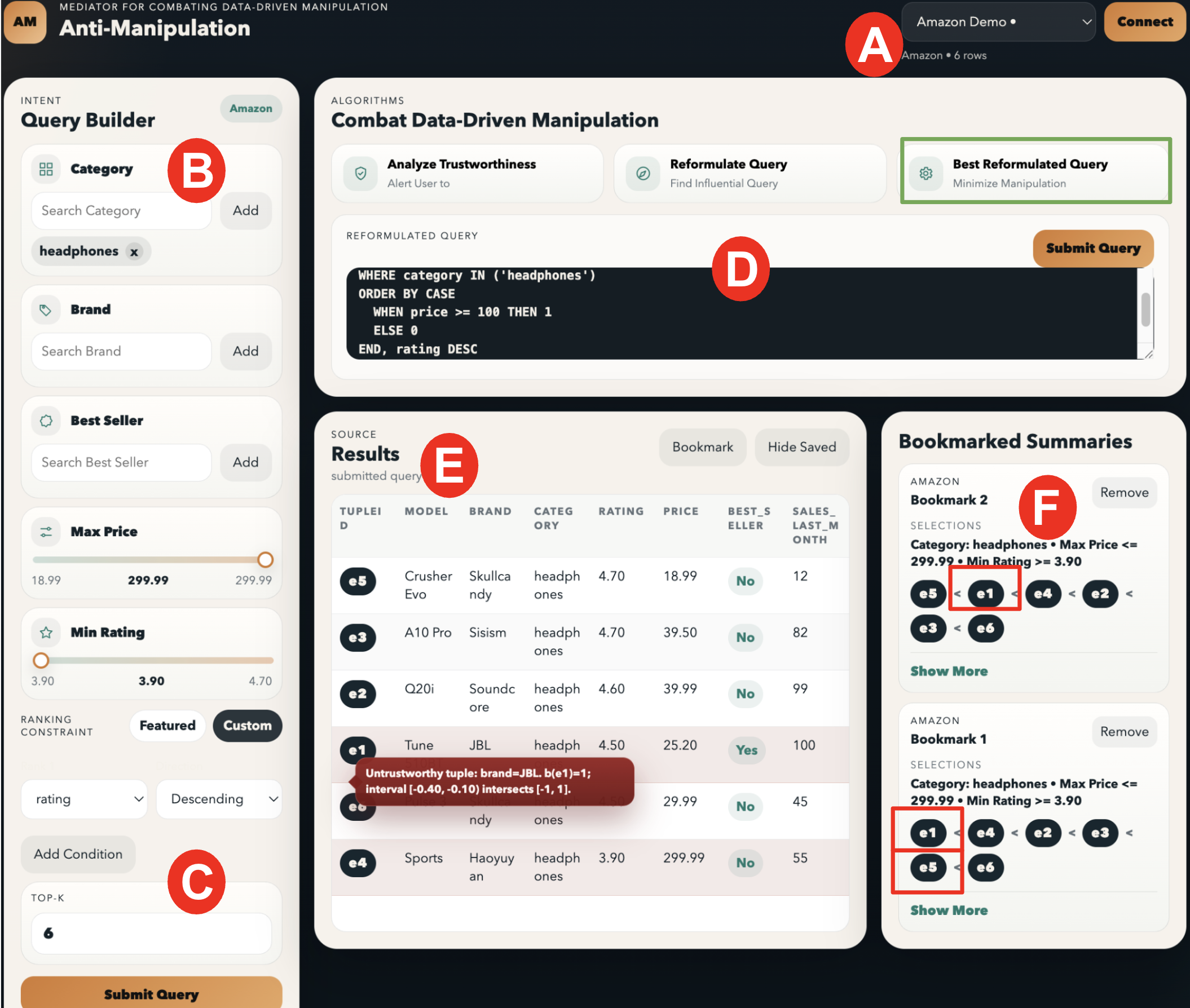
This paper studies how users can query data sources that may intentionally return biased answers because their incentives do not align with the user’s information needs. It proposes algorithms to detect biased information and reformulate queries to recover more relevant results.
arXiv cs.LG/cs.AI, 2026
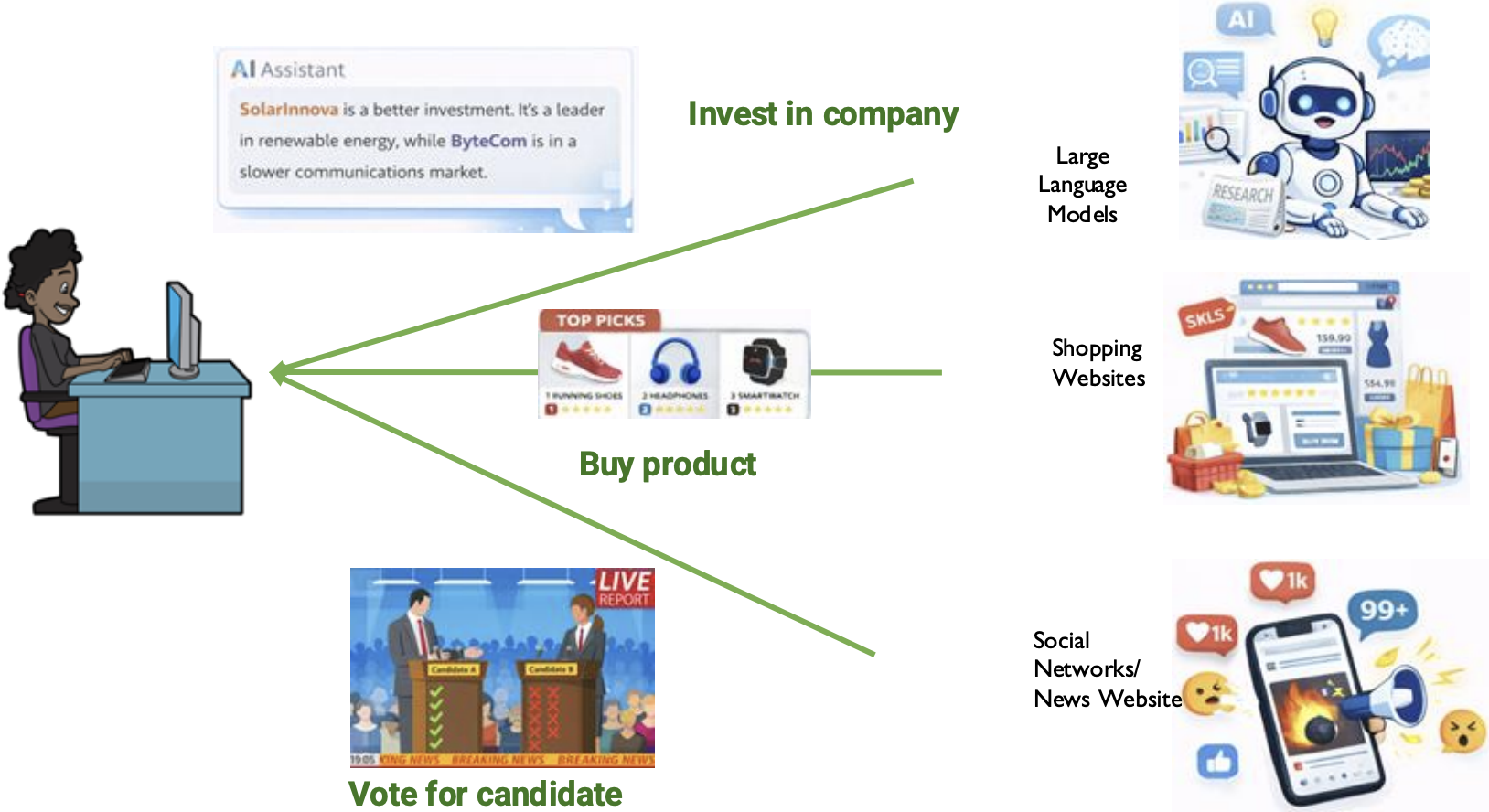
This paper models interactions between users and ML systems whose incentives may not be aligned. It proposes a game-theoretic framework and scalable algorithms that help users benefit from ML systems while reducing biased or manipulative actions.
PVLDB 2026 (to appear), 2026
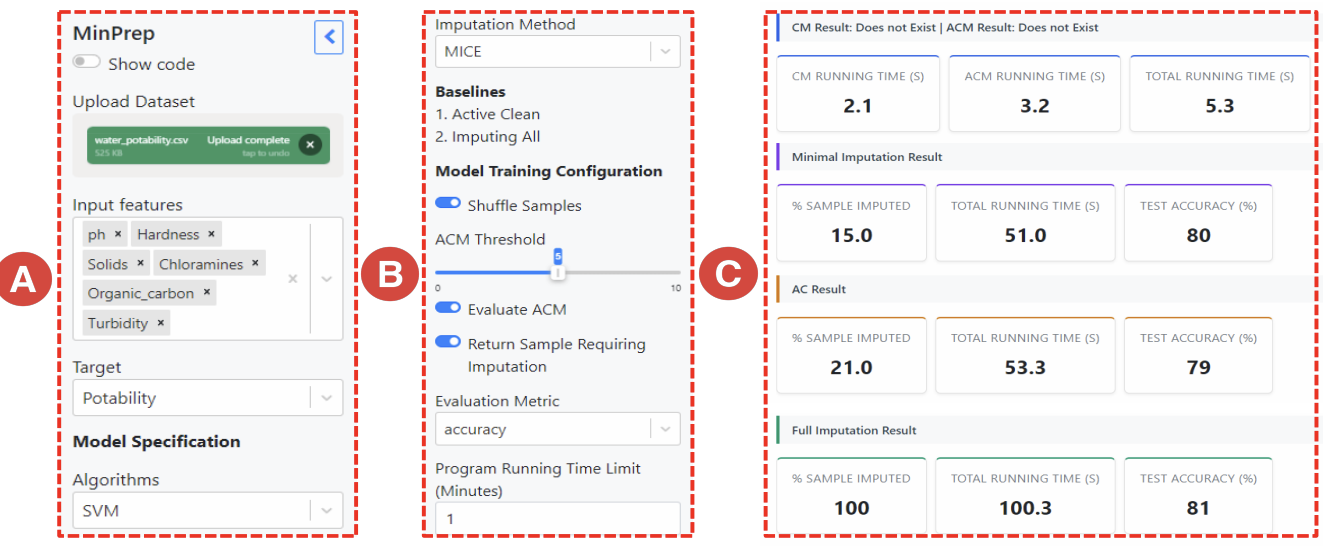
MinPrep supports minimal data cleaning for supervised model training, helping users focus cleaning effort on the data repairs that matter for downstream model quality.
Undergraduate course, Oregon State University, Department of Electrical Engineering and Computer Science, 2021
Undergraduate course, Oregon State University, Department of Electrical Engineering and Computer Science, 2022
In this course we will learn a lot of interesting stuff about modern operating systems, such as, communicating with them using system calls, creating and managing multiple processes at once, creating multiple threads, getting processes and threads to synchronize their actions, and how processes can communicate with each other, when they are on the same machine, as well as over the network. We will be extensively using Unix, C and its libraries, and Rust in this course. You are not expected to know C or Rust coming into the course, and the knowledge of these languages needed in this course will be taught in the course.
Undergraduate course, Oregon State University, Department of Electrical Engineering and Computer Science, 2022
Sharing and analyzing data in digital forms are essential parts of our professional, social, and personal lives. Recent scientific discoveries were not possible if not for the systems that manage and analyze large volumes of the data. In this course, you will learn the underlying concepts and methods that make these amazing advancements possible. We discuss the challenges of managing and querying large volumes of data and study the principles and algorithms used to address these challenges.
Undergraduate course, Oregon State University, Department of Electrical Engineering and Computer Science, 2022
Fundamental concepts in artificial intelligence using the unifying theme of an intelligent agent. Topics include agent architectures, search, games, logic and reasoning, and Bayesian networks.
Undergraduate course, Oregon State University, Department of Electrical Engineering and Computer Science, 2022
This is the first course of a series of three, culminating in the delivery of a working software project/product to student’s project partner by May/June of this academic year. This course is designed to prepare undergrad students as best as possible for their next career move.
Graduate Course, Oregon State University, Department of Electrical Engineering and Computer Science, 2023
Sharing and analyzing data in digital forms are essential parts of our professional, social, and personal lives. Recent scientific discoveries were not possible if not for the systems that manage and analyze large volumes of the data. In this course, you will learn the underlying concepts and methods that make these amazing advancements possible. We discuss the challenges of managing and querying large volumes of data and study the principles and algorithms used to address these challenges.
Undergraduate course, Oregon State University, Department of Electrical Engineering and Computer Science, 2023
This is the second course of a series of three, culminating in the delivery of a working software project/product to student’s project partner by May/June of this academic year. This course is designed to prepare undergrad students as best as possible for their next career move.
Undergraduate course, Oregon State University, Department of Electrical Engineering and Computer Science, 2024
Sharing and analyzing data in digital forms are essential parts of our professional, social, and personal lives. Recent scientific discoveries were not possible if not for the systems that manage and analyze large volumes of the data. In this course, you will learn the underlying concepts and methods that make these amazing advancements possible. We discuss the challenges of managing and querying large volumes of data and study the principles and algorithms used to address these challenges.